
Endodontics is one of the most essential fields of dentistry, focusing on treating the inside of the tooth to save it from infection and possible extraction.
In Pakistan, where oral health awareness is still developing and many people delay dental visits until pain becomes unbearable, endodontic therapy commonly known as root canal treatment has become a frequently performed procedure.
This treatment is designed to clean out the infected pulp, disinfect the canal, and seal the tooth so it can continue functioning normally.
However, undergoing the treatment is not the end of the journey. The long-term success of endodontic therapy depends heavily on how well patients care for their teeth afterward.
In Pakistan, challenges such as delayed crown placement, irregular dental check-ups, and dietary habits like chewing hard snacks or using pan masala can put treated teeth at risk.
That’s why practical, easy-to-follow aftercare steps are crucial for maintaining oral health and avoiding repeat infections.
Endodontics Tips to Care for Teeth After Therapy
In this guide, we will explain effective tips to care for your teeth after Endodontic therapy in Pakistan.
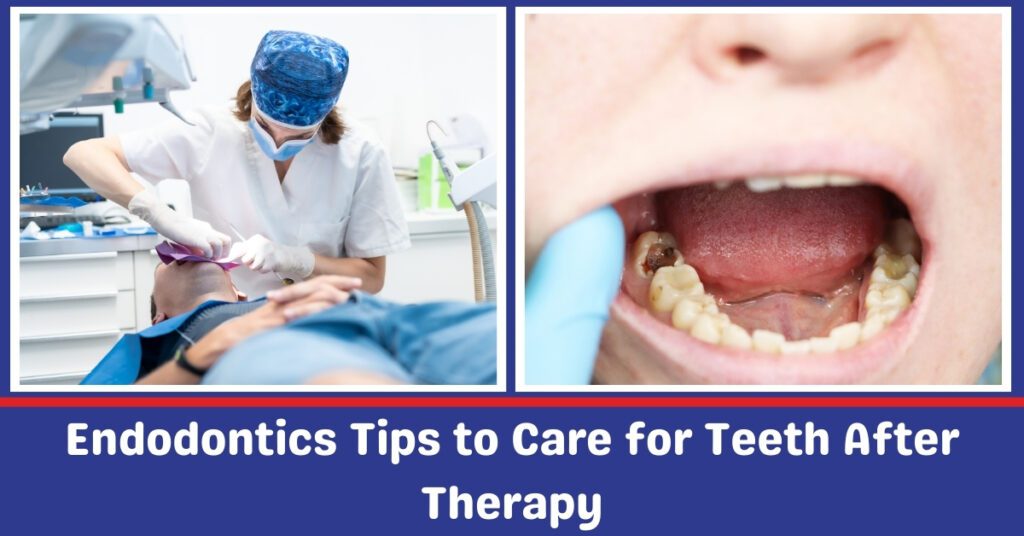
Why Aftercare is Crucial in Endodontics
Endodontic therapy, also known as root canal treatment, saves millions of teeth every year in Pakistan and worldwide. But completing the procedure is only part of the journey.
Aftercare plays a critical role in the success and longevity of the treated tooth. When the infected pulp is removed, the tooth becomes free from pain, but it also becomes more fragile.
Without proper protection, it can fracture easily or become reinfected if bacteria re-enter through cracks or poor fillings.
In Pakistan, a common issue is that many patients stop visiting the dentist once their pain is gone, assuming treatment is complete.
This misunderstanding often leads to tooth loss or further costly procedures. According to dental health reports, a significant percentage of root canal failures are caused not by the treatment itself but by poor aftercare.
Therefore, proper oral hygiene, timely placement of crowns, and routine follow-ups are essential to protect the investment patients make in saving their teeth.
Without these steps, the chances of losing the treated tooth increase significantly.
Immediate Care Right After Endodontic Therapy
Right after endodontic therapy, the first few days are critical for recovery. Patients must carefully follow the instructions provided by their dentist.
The treated area is often sensitive, and eating on that side of the mouth can damage the temporary filling or cause discomfort.
For this reason, dentists advise patients to avoid chewing hard foods such as roasted chickpeas, nuts, or crunchy snacks, which are common in Pakistani households.
Soft foods like khichdi, yogurt, and soup are safer until the tooth is permanently restored. Pain and swelling may occur for a few days, and prescribed medication should be taken exactly as directed, without skipping doses.
Antibiotics, if prescribed, should be completed to prevent reinfection. Patients should also avoid hot and spicy food that may irritate sensitive gums, a common issue in Pakistani diets.
Most importantly, attending follow-up visits is necessary, as dentists can check if the healing process is progressing well. Neglecting these early care steps can undo the benefits of the entire treatment.
Long-Term Care for Treated Teeth
Once the initial healing period is over, the focus shifts to long-term care. The most important step after root canal therapy is the placement of a permanent crown.
In Pakistan, many patients avoid or delay this step because of cost concerns. However, without a crown, the tooth remains weak and can easily fracture, undoing the investment made in the root canal. Crowns provide protection and restore full chewing function.
Along with crowns, daily oral hygiene is a must. Brushing twice a day with fluoride toothpaste, flossing once a day, and rinsing with mouthwash are simple but highly effective practices.
Patients must remember that although the inside of the tooth no longer has a nerve, the outside can still decay. This means cavities, gum disease, and plaque buildup can still harm the treated tooth.
Routine check-ups every six months also allow dentists to monitor crown condition, spot small issues early, and prevent expensive re-treatments.
Consistent long-term care ensures the treated tooth lasts for many years, often for life.
Challenges Patients Face in Pakistan After Root Canal
Aftercare in Pakistan is often complicated by several challenges. The first challenge is financial. Many patients are unable to afford a dental crown immediately after treatment, leading them to postpone it for months or even years.
This delay significantly increases the risk of tooth fracture. The second challenge is awareness. Many people assume that once pain is gone, the problem is solved, and they neglect proper follow-up.
The third challenge comes from dietary habits. Popular snacks such as supari, chalia, and pan masala put extreme pressure on treated teeth and increase the chance of reinfection.
Another major challenge is access to quality dental care. In rural areas, specialized dental services are limited, so patients either ignore aftercare or rely on unqualified practitioners.
Lastly, cultural habits like using teeth to open bottle caps or tear packaging put unnecessary stress on root canal teeth.
Addressing these challenges requires education, awareness, and more affordable dental solutions tailored to Pakistani patients.
Practical Tips for Pakistanis to Protect Root Canal Teeth
Protecting a root canal treated tooth does not always require expensive procedures. Simple, consistent habits can make a big difference.
Patients should prioritize getting a dental crown as soon as possible to prevent fractures. For daily care, brushing with a fluoride toothpaste twice daily is non-negotiable.
Avoid using abrasive tooth powders or salt, which are still used in some areas of Pakistan, as they can damage enamel and gums. Flossing is equally important to prevent plaque buildup between teeth.
People who find flossing difficult can use interdental brushes that are easily available in local pharmacies. Patients must also avoid chewing on hard foods, including dry fruits, ice cubes, or hard sweets.
Another essential tip is to limit sugary foods and drinks, which are common in Pakistani diets and directly contribute to decay.
Finally, avoiding harmful habits like pan, gutka, or naswar is crucial, as these substances not only stain teeth but also increase the risk of infection and oral cancer.
By following these steps, treated teeth can remain healthy for decades.
Common Myths About Endodontics in Pakistan
In Pakistan, there are several myths about root canal treatment that prevent patients from following proper aftercare.
A common myth is that once a tooth has undergone root canal therapy, it no longer needs care. The truth is that while the nerve is removed, the tooth structure is still vulnerable to decay and fracture.
Another myth is that root canal teeth cannot get cavities again. In reality, bacteria can attack the tooth from the outside, leading to reinfection.
Some patients believe that dental crowns are optional and only for cosmetic purposes, but crowns are essential for protecting the weakened tooth.
Another widespread belief is that dental treatment in Pakistan is unaffordable, so people avoid necessary follow-ups.
In fact, preventive care like brushing, flossing, and routine check-ups costs much less than redoing a failed treatment.
Dispelling these myths is critical, as they directly impact how patients care for their teeth after therapy. Education and awareness campaigns are needed to change these misconceptions.
Statistics on Dental Health in Pakistan
Dental health statistics in Pakistan highlight why aftercare is so important. Research shows that around 50% of Pakistani children suffer from untreated dental caries, mostly due to poor oral hygiene and high sugar intake.
Among adults, over 60% visit a dentist only when pain becomes unbearable, and very few go for preventive check-ups.
A Karachi-based survey revealed that only 25% of people brush their teeth twice daily, which is far below global averages.
Rural areas face even greater challenges, as dental services are scarce, and most people rely on home remedies or unqualified practitioners.
These statistics indicate that many people in Pakistan are at risk of losing treated teeth simply because of neglect.
With oral health awareness still low, the responsibility of proper aftercare often falls entirely on patients themselves.
These numbers serve as a reminder that while root canal treatment can save a tooth, long-term success depends on consistent daily care and regular dental visits.
How General Dentists and Endodontists Work Together
In Pakistan, both general dentists and endodontists play important roles in root canal care. The endodontist is a specialist who performs complex procedures to save teeth with deep infection.
However, once treatment is complete, the general dentist takes over the responsibility of restoring the tooth and monitoring its health.
This teamwork ensures that patients receive complete care. For example, after an endodontist finishes therapy, the general dentist usually places the crown to protect the tooth.
The general dentist also conducts follow-up check-ups every six months to ensure the treated tooth and surrounding gums remain healthy.
In Pakistan, Islamabad, PWD, clinics like Zainab Dental Clinics combine these services under one roof, making it easier for patients to access both specialists and general care.
This collaboration ensures that patients do not fall through the cracks and that their treated teeth receive the best possible protection against future complications.
Step-by-Step Routine for Post-Endodontic Patients
Patients in Pakistan can follow a simple daily routine to care for their treated teeth. In the morning, brushing with a fluoride toothpaste is essential, followed by rinsing with plain water or an antiseptic mouthwash.
After meals, rinsing the mouth with water helps remove food particles, especially for people who consume sticky sweets or fried foods.
In the evening, brushing again ensures that plaque does not build overnight. Flossing or using an interdental brush once a day keeps the spaces between teeth clean.
Patients should avoid chewing on the treated tooth until a crown is placed. Every week, patients should self-check for swelling, pain, or any cracks in the crown.
Every six months, a professional dental visit is necessary for scaling and a complete oral examination.
By sticking to this simple step-by-step routine, patients can avoid reinfection, prevent tooth fracture, and enjoy the long-term benefits of their root canal treatment.
Long-Term Benefits of Caring After Root Canal
The benefits of proper aftercare after endodontic therapy are both financial and health-related.
When patients in Pakistan follow the right care routine, they save the treated tooth for life, avoiding the need for expensive implants, bridges, or dentures. This reduces overall dental costs in the long run.
Proper care also ensures better chewing function, allowing people to enjoy their favorite Pakistani foods without pain or discomfort.
Good oral hygiene habits not only protect the treated tooth but also prevent new cavities and gum diseases in other teeth.
Maintaining oral health also has a positive effect on general health, as untreated dental infections can spread to other parts of the body.
Most importantly, patients who care for their treated teeth experience greater confidence in their smile and avoid the stress of repeat treatments.
In short, the effort invested in proper aftercare pays back many times over in terms of money, health, and quality of life.
Conclusion
Endodontic therapy, or root canal treatment, is a proven way to save natural teeth that would otherwise be lost.
But in Pakistan, where many people delay dental visits and oral hygiene practices are often inconsistent, the real success of treatment depends on proper aftercare.
A root canal does not make the tooth invincible; it makes the tooth functional again, provided the patient takes responsibility for long-term care.
This means following the dentist’s advice, getting a crown on time, maintaining daily hygiene, and avoiding habits that put unnecessary pressure on teeth.
Small lifestyle changes such as brushing twice daily, limiting sugary snacks, avoiding gutka or pan masala, and attending regular check-ups can make a major difference in protecting treated teeth for life.
By caring properly for root canal treated teeth, patients save themselves from repeat infections, unnecessary expenses, and the discomfort of more procedures.
The effort put into aftercare is minimal compared to the benefits of keeping your natural smile intact.
For anyone seeking reliable and professional dental support, Zainab Dental Clinics in Pakistan offers trusted endodontic and general dental care to help patients achieve lasting oral health.